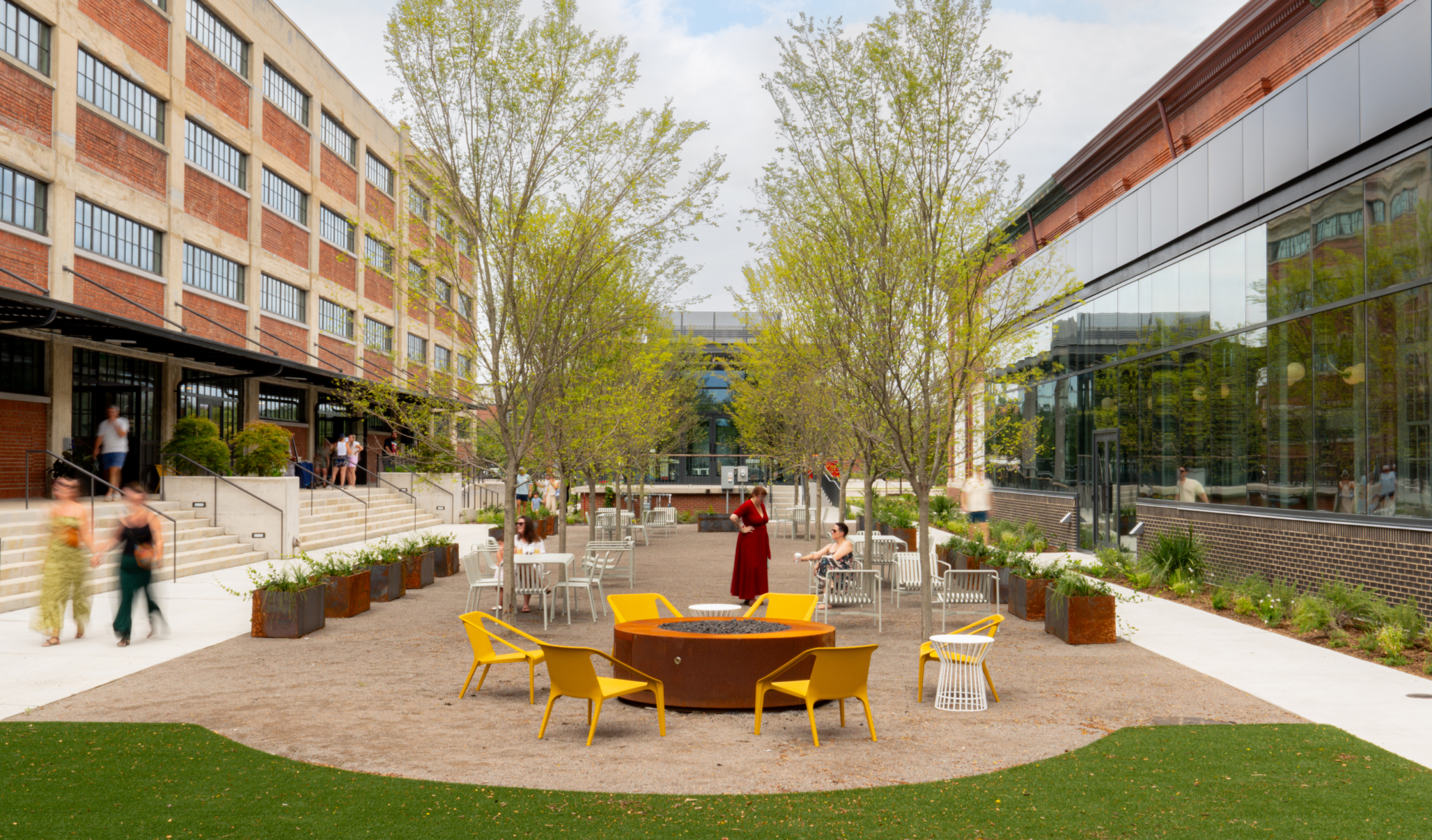

Along the Cooper River, next to Riverfront Park, a community-forward neighborhood is evolving, history is being preserved and a residential, merchant and office district is taking shape, knitting together and connecting communities in North Charleston, SC.
A history we embrace

Dedicated to the Fleet: History of the Charleston Navy Yard

Navy Yard Charleston and Historic Charleston Foundation have formed a partnership to embark on a collection of oral history videos capturing an undocumented picture of the Charleston Navy Base’s story through first-hand accounts. Told through the lens of a “witness to history”, the videos will highlight the significant experiences and impact of the Navy Yard and will be archived at Historic Charleston Foundation.
At the turn of the twentieth century, Charleston seized the opportunity to build the greatest naval station in the south...
1900's
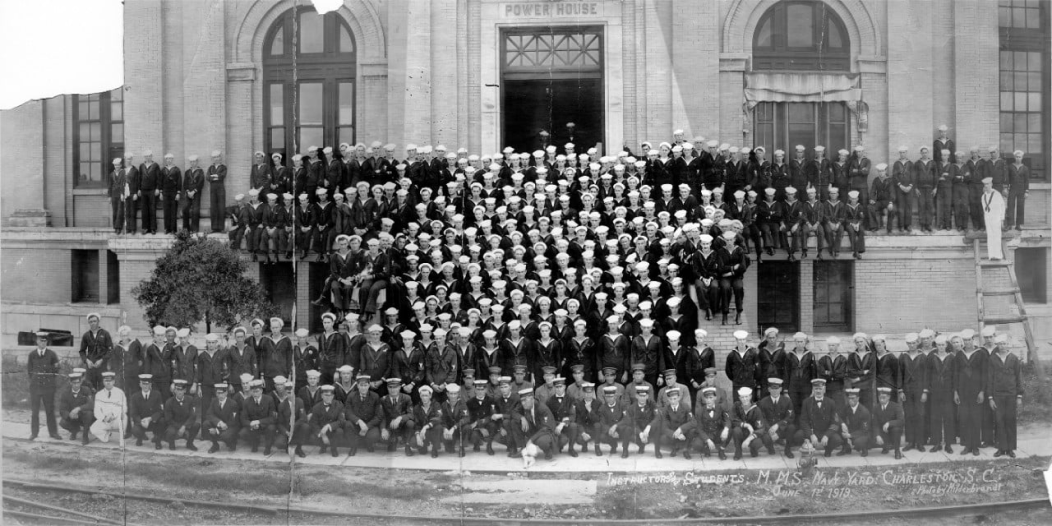
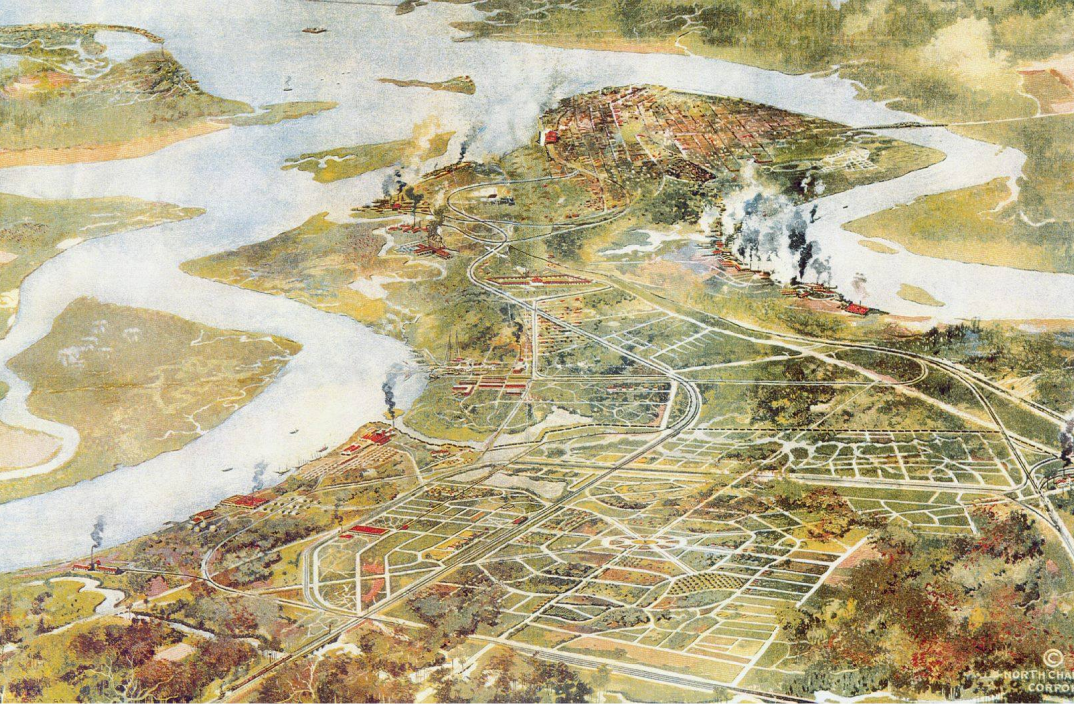
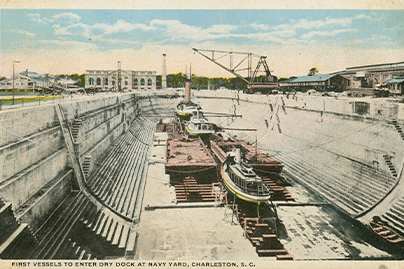
In 1901, the U.S. Navy purchased a 400-acre site known as Chicora Park along the west bank of the Cooper River, seven miles north of Charleston. Construction began on the first dry dock, five storehouse and administration buildings, streets and rail lines. By WWI, employment peaked at 5,600. From 1901-1996 The Charleston Naval base would provide defense for the United States, employ over 100,000 people, build 256 vessels and pour millions of dollars into the area’s economy.
1920's
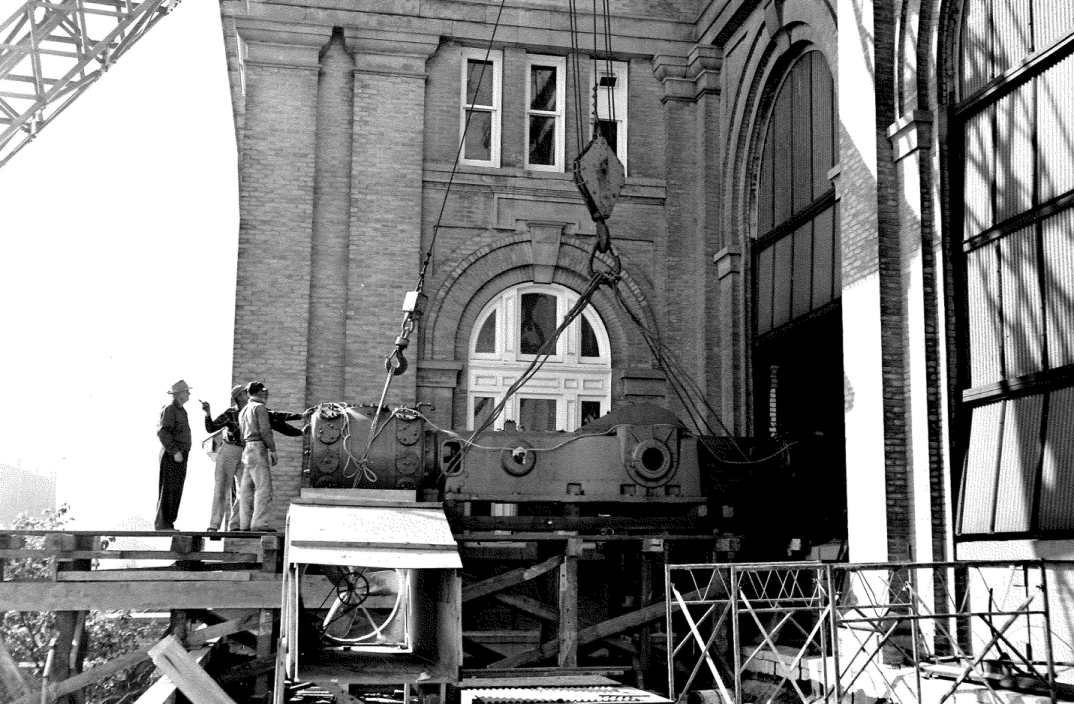
The livelihood of the shipyard was threatened in 1922 and again after the stock market crash of 1929. Employment dropped below 500 by 1924. Only six boats and tugs were built during 1920 to 1932 and civilian employment reached a low of 479 in 1924.
...And it changed North Charleston forever
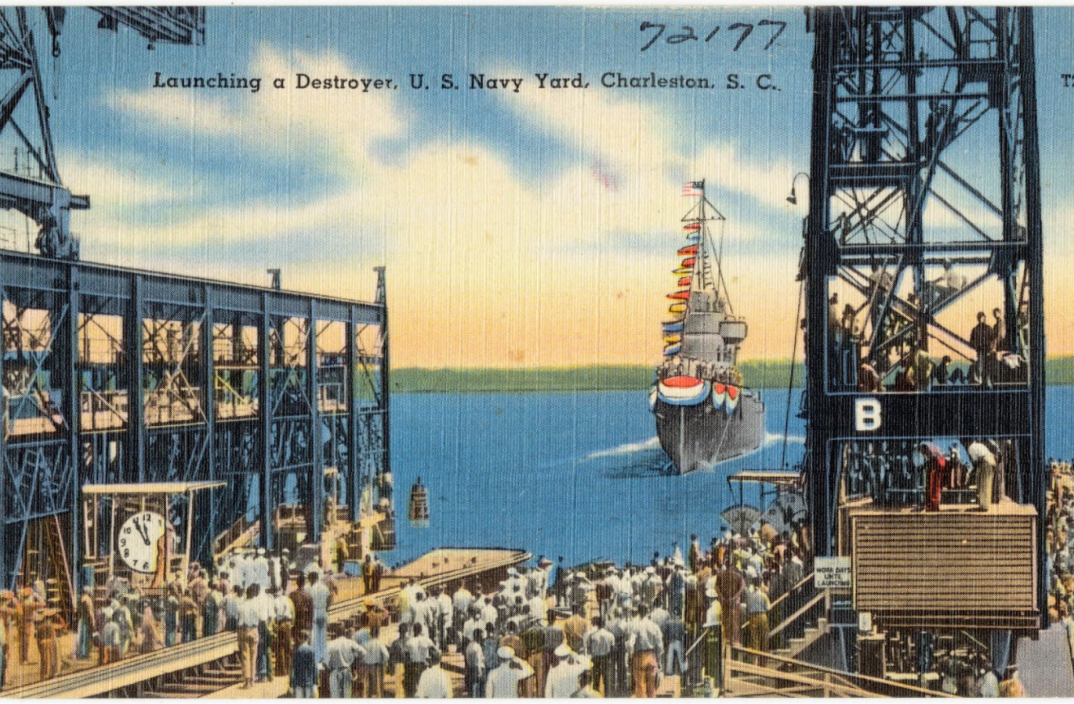
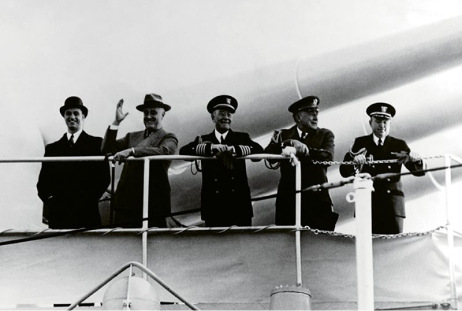
1930's
The Charleston Naval Shipyard was designated as a new construction yard in 1933, easing the impact of the Great Depression, creating the need for greater facilities and a larger workforce. President Franklin Delano Roosevelt visited to check on the pace of modernization.
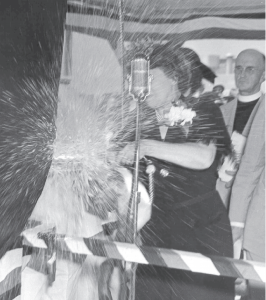
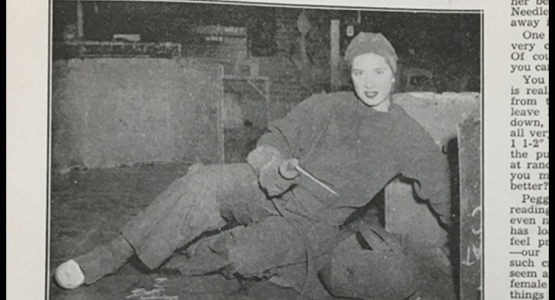
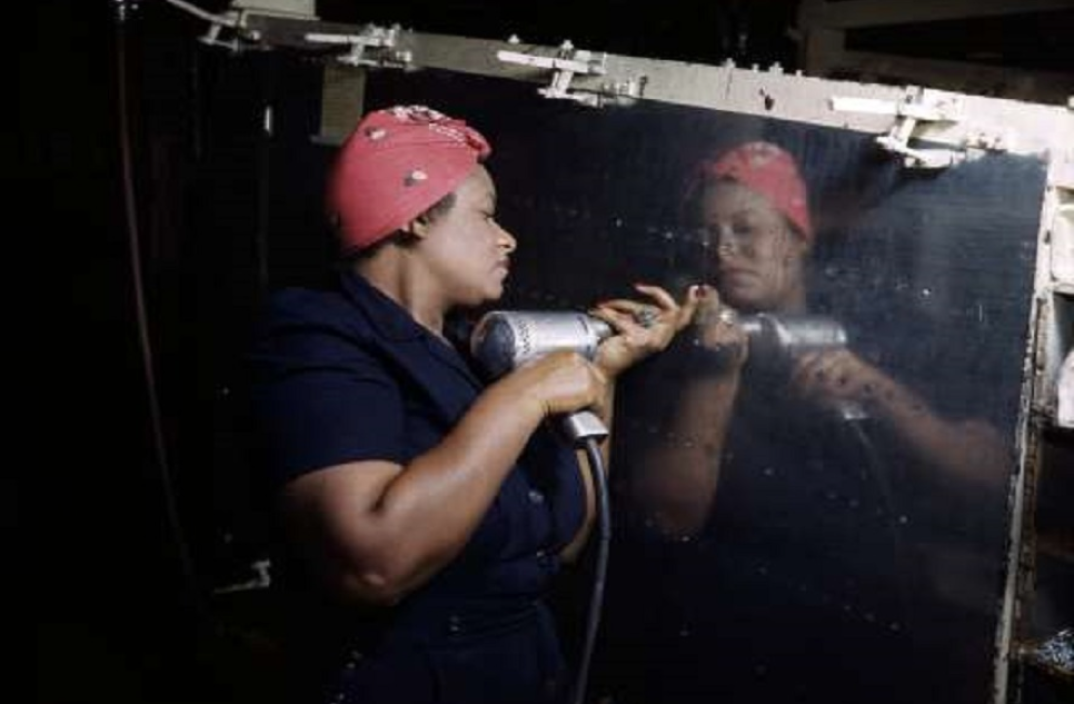
1940's
In September of 1941, the USS Hobson was christened at a launching ceremony by Mrs. Richmond P. Hobson as the Bishop Albert S. Thomas and Honorable Joseph W. Powell looked on.
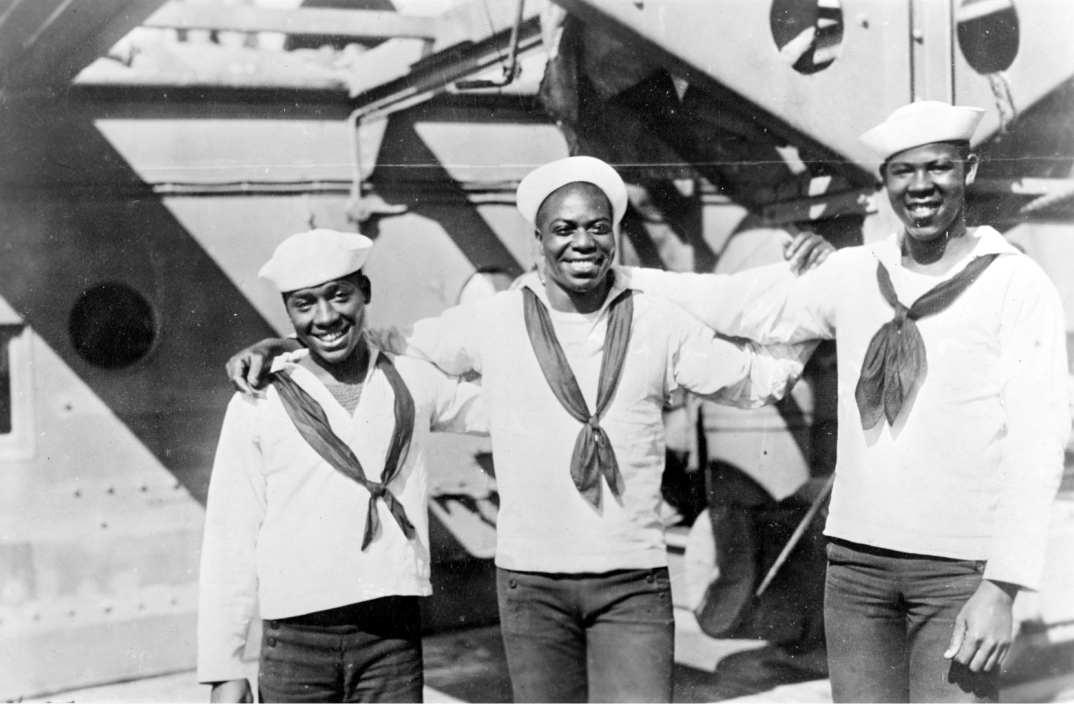
During WWII, Eugenia Powell Deas, made history as the only African American welder in the Charleston Naval Shipyard. Margaret “Peggy” (Merigo) Citarella was the first female welder to receive an official rating from the U.S. Navy.
Read more about Eugenia Powell Deas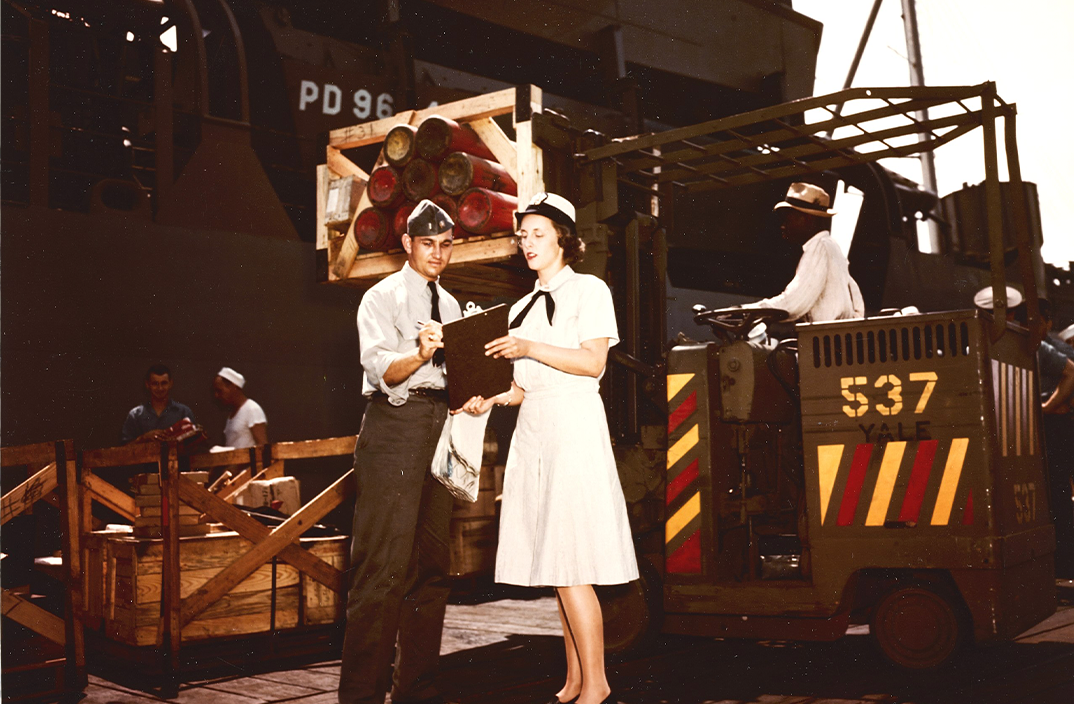
1950's
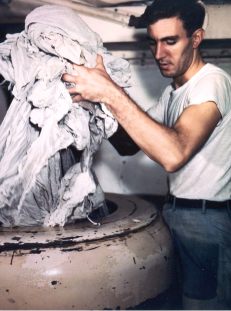
The end of WWII brought soldiers home and forced women out of the workforce.
Civilian employment peaked at 9,220 in 1952, making Navy Yard Charleston an economic force in the south east.
Women would later gain protection against discrimination when the Civil Rights Act was passed in 1964, prohibiting employers from discriminating workers on the basis of sex, race, religion, and national origin.
1960's
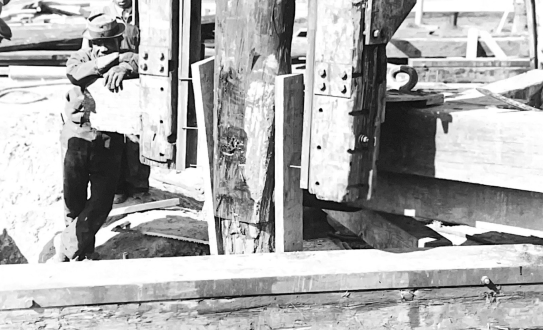
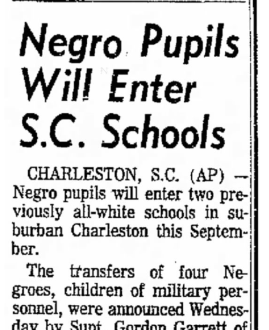
In 1964, four African American children of military personnel were accepted into the Ben Tillman School in North Charleston, making it the first all white school in South Carolina to integrate African American students.
1970's
In 1972, the City of North Charleston was officially incorporated and recently celebrated the 50th anniversary in 2022.
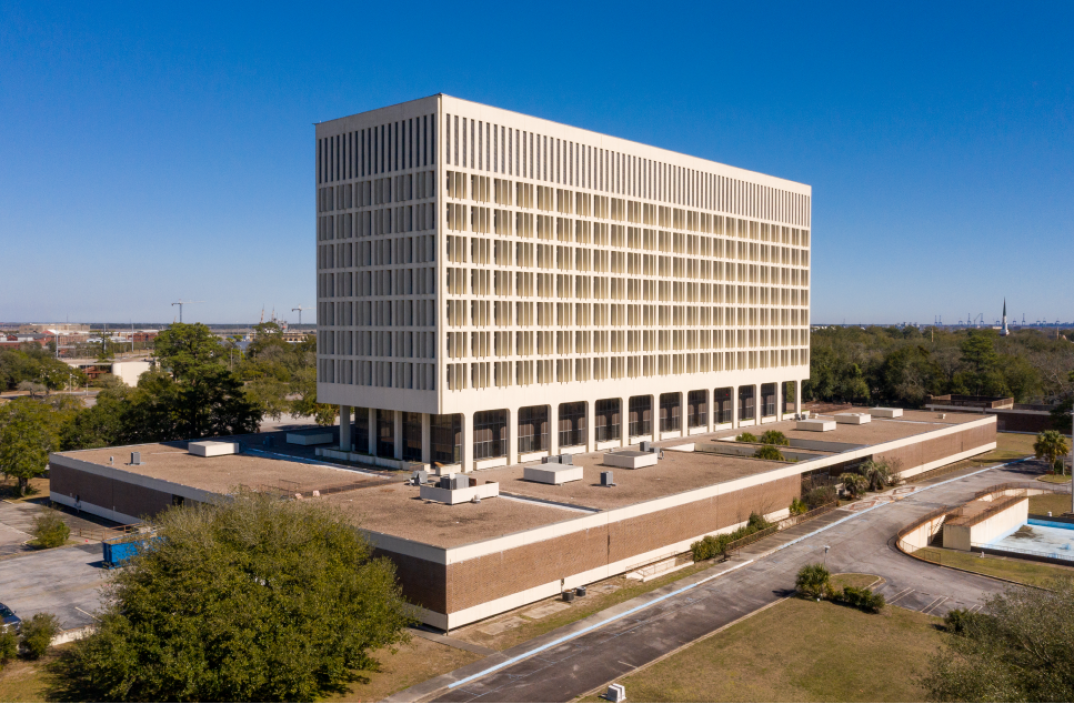
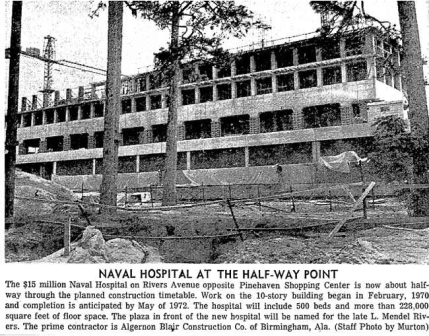
The Naval Hospital was constructed in the mid-70’s and stands today as a beacon of Mid-Century Modern/Brutalist Architecture.
This 10 story, 500 bed hospital also hosted a barber shop, theatre, chapel and dental clinic.
Recipient of the 1974 American Institute of Architecture Award.
1980's
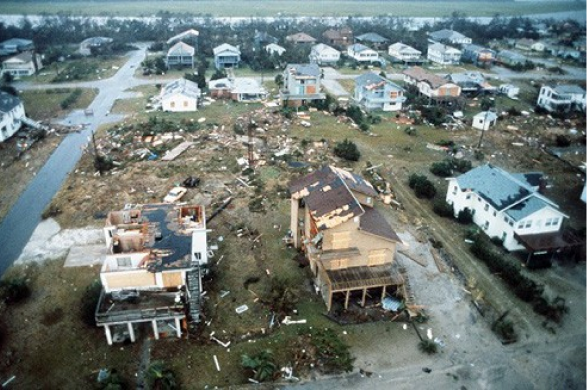
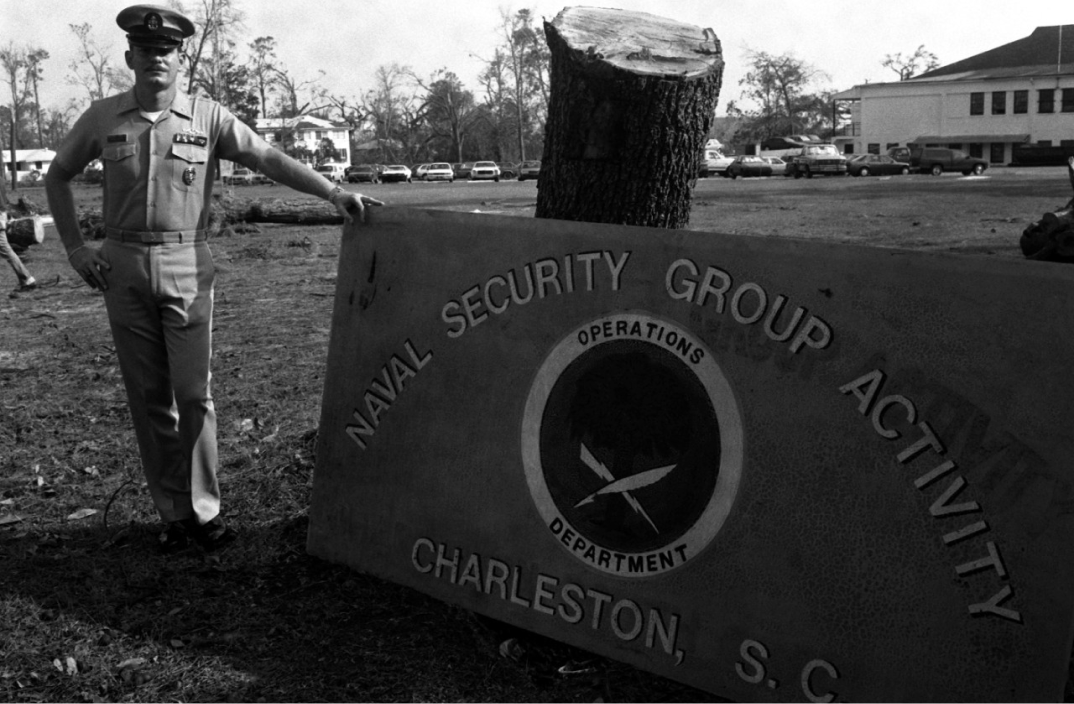
Hurricane Hugo was a Category 5 storm that made direct landfall in Charleston, SC on September 22nd, 1989. In the wake of the destruction, 850 U.S. Marines, based out of Charleston Naval Shipyard, helped in the humanitarian efforts.
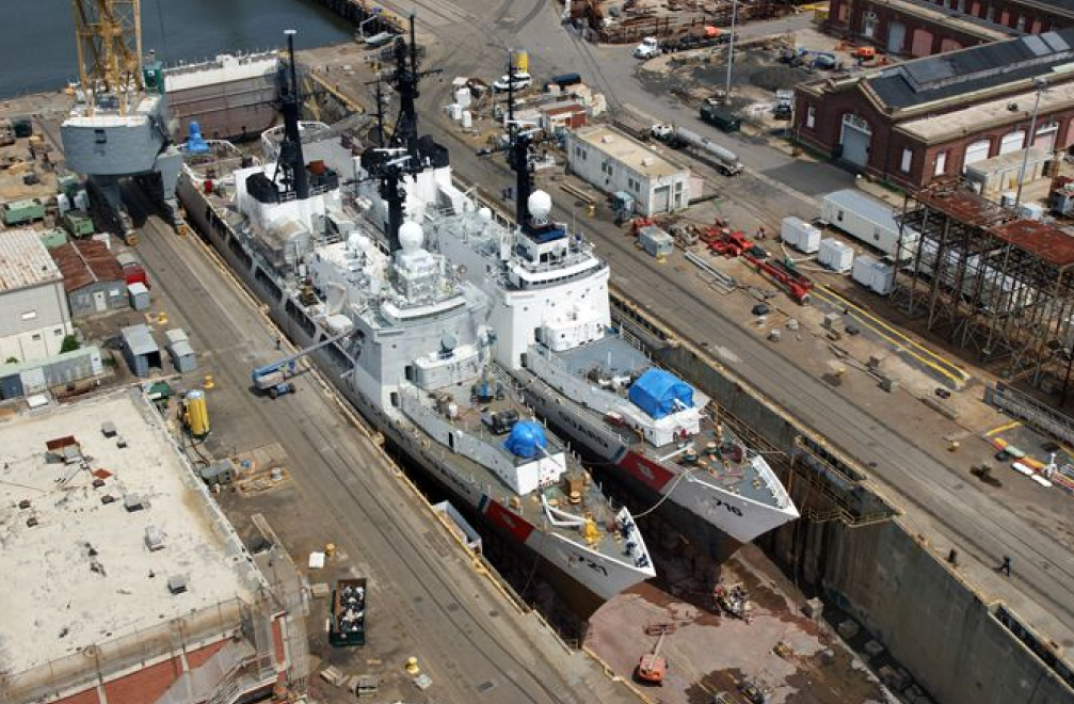
Throughout the 1980s, the renamed Charleston Naval Base and Charleston Naval Weapons Station were home ports to more submarines, cruisers and destroyers than any other base in the world.
1990's
The closing of Charleston’s Naval Base and Shipyard in 1996 marked the end of an era after nearly a century as South Carolina’s largest civilian employer.
North Charleston continued to grow despite the base closing. 1993 saw the opening of the North Charleston Coliseum where the South Carolina Stingrays hockey team, national musical acts and exciting entertainment experiences are offered to the surrounding area.
Meanwhile, at Navy Yard Charleston, CMMC Industrial Campus started as three entrepreneurs with an idea. More than 24 years later, they have helped over 50 companies succeed and grow.
2000's
The early 2000’s were an era of civic infrastructure and business innovation growth in North Charleston. Urban Electric, a favorite lighting manufacturer for hospitality and high-end residential designers around the world, found a historic red brick warehouse (circa 1906) on the old Naval Yard, renovated and settled into its world headquarters.
Park Circle’s East Montague Historic Business District underwent significant revitalization efforts lead by Mayor Keith Summey.
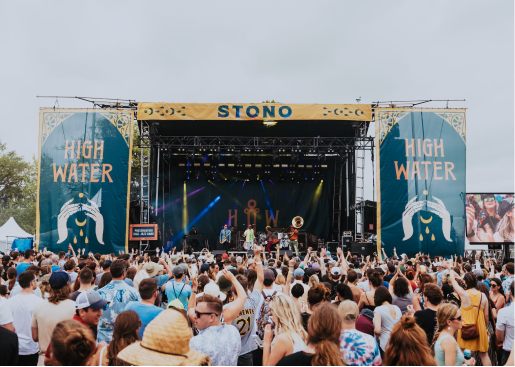
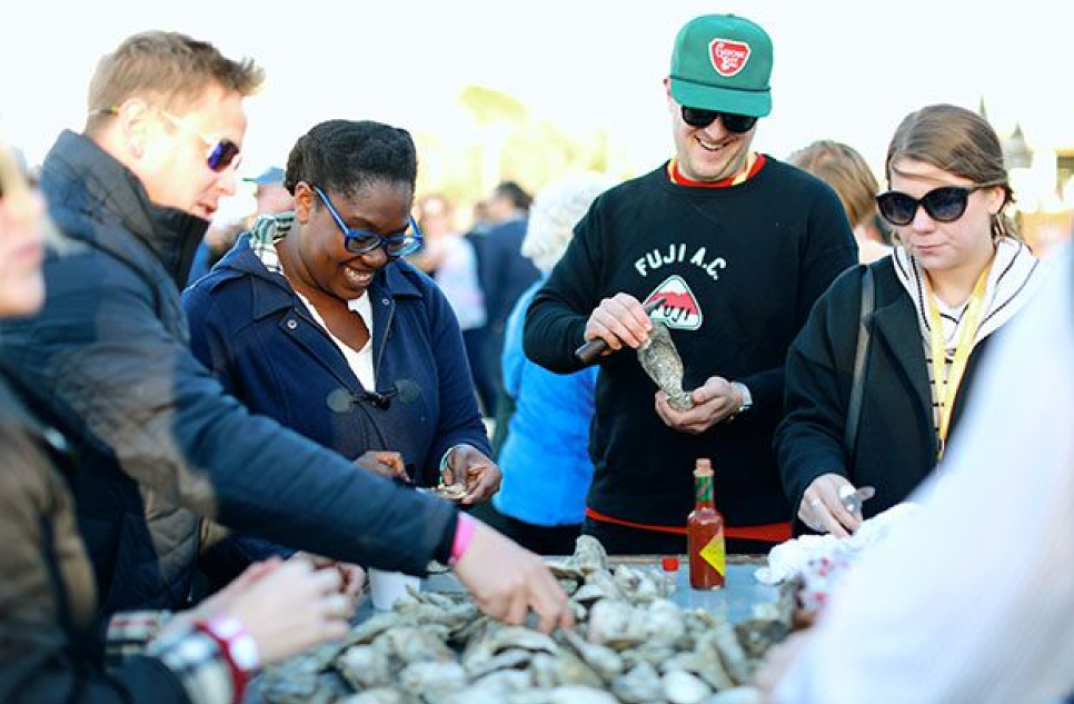
The Riverfront Park opened to the public in 2005 giving residents river access for the first time in nearly a century. The park features ten acres of walking trails, fishing piers, 800-ft long board walk, rotating sculpture garden and the Greater Charleston Naval Base Memorial. Countless annual events are hosted here including 4th of July Celebrations, Juneteenth Holiday Events, High Water Music Festival and Charleston Food + Wine Festival.
2020's
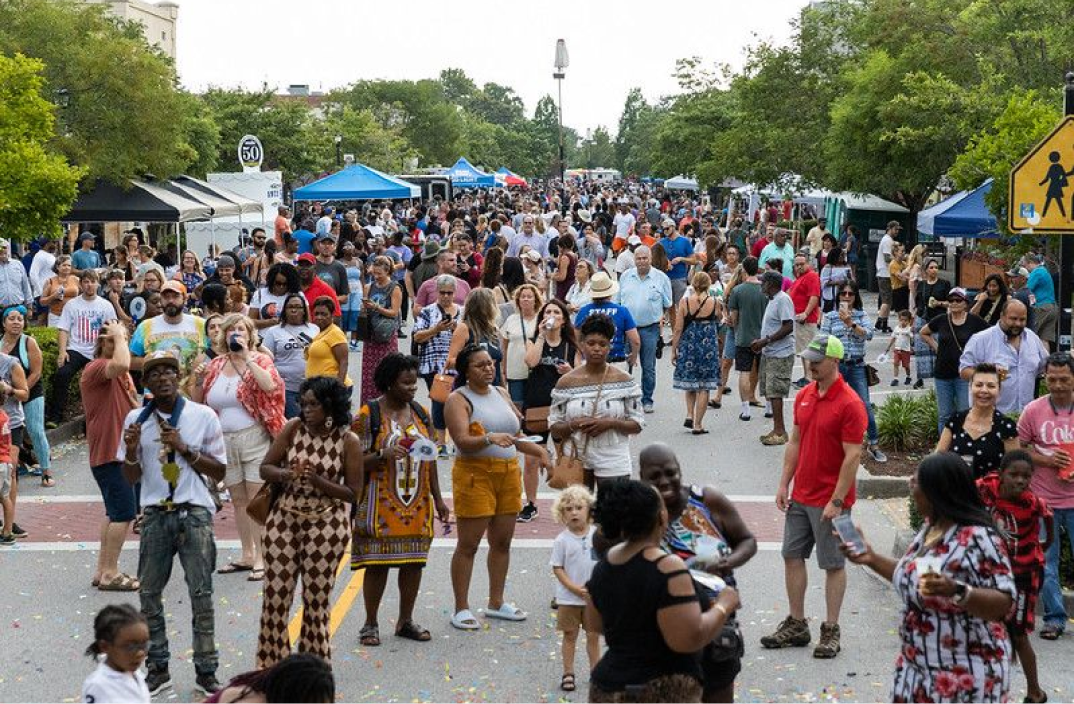
In 2022, The City of North Charleston celebrated its 50th Anniversary with a huge block party full of local music, food, families and business owners.
Also in 2022, local developers of Cigar Factory and GARCo Mill, WECCO and Weaver Capital, joined forces with Jamestown to create a partnership at Navy Yard Charleston. They share a vision and common goal to repurpose historic structures and craft a community forward development. This redevelopment will preserve the area’s rich history and unique character with the creation of a vibrant mixed-use neighborhood. Navy Yard Charleston will celebrate, amplify and cultivate new opportunities for the people, businesses, makers, purveyors and innovators of the region.
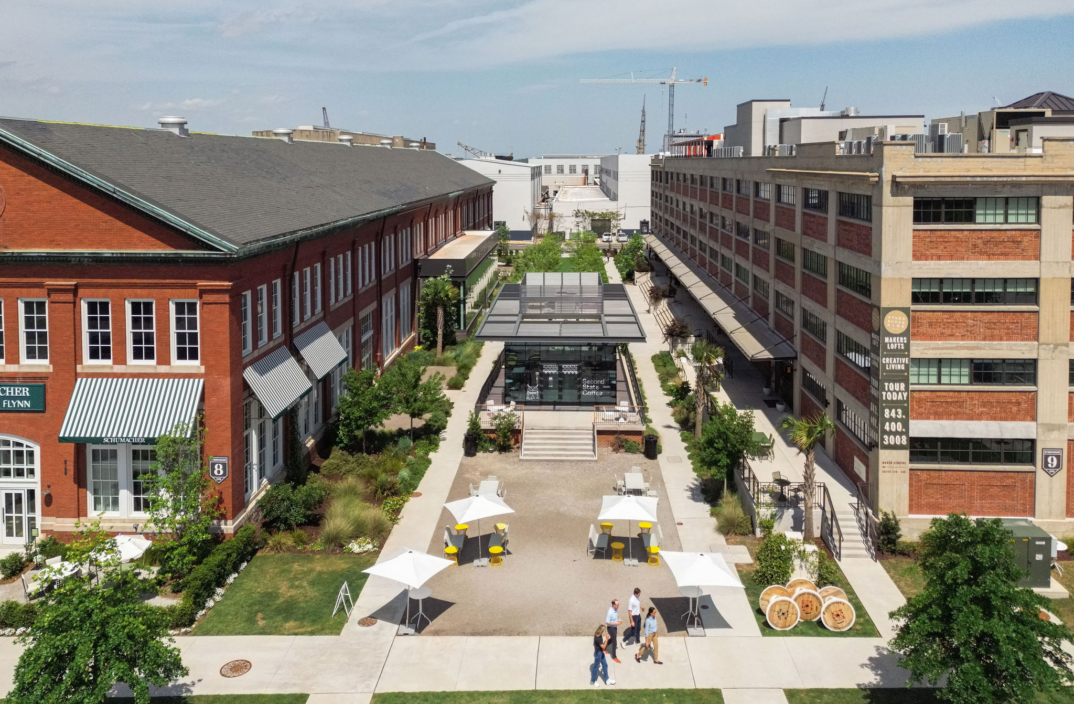
In 2024, Storehouses 8 & 9 were fully restored offering offices, residential lofts, maker studios, and interior design showrooms, receiving a Carolopolis Award for historic preservation.
Make Waves
A community we uplift
Community Outreach
We are committed to uplifting our community
This historic mixed-use redevelopment will celebrate inclusivity and foster collaborative spaces for our community of diverse interests and backgrounds. We will amply voices by increasing the number of minority and women owned businesses. We are focused on uplifting the neighborhood through collaborative partnerships with established non-profits.
-
 Jobs
JobsA neighborhood employment program reserving project-specific positions for local residents will be launched as a part of the redevelopment.
-
 Partnerships
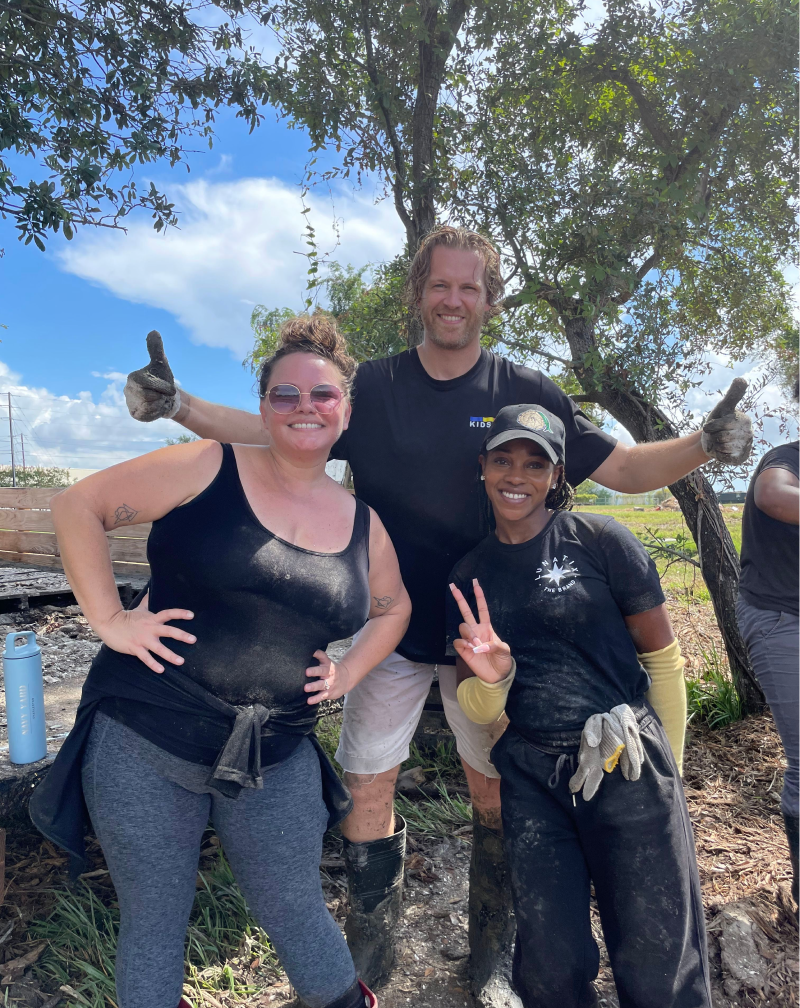
Since inception, Navy Yard Charleston has engaged with and supported several local neighborhood organizations.
Come Full Circle
Navigating our future
Building momentum, energizing community, embracing the future & honoring the past.
Navy Yard Charleston is reactivating itself as an essential social and economic hub while connecting Downtown Charleston to a growing North Charleston community. We wear our historic patina proudly, crafting new housing from old structures and putting character-rich buildings to new use as maker spaces, restaurants, artisan retail and creative offices.